

Neurological Pain
What Is Neurological Pain?
Neurological pain, also known as neuropathic pain, is a type of chronic pain that results from damage or dysfunction within the nervous system. Unlike musculoskeletal pain, which arises from injury to muscles or joints, neurological pain originates from abnormal signaling in nerves themselves.
The nervous system includes the brain, spinal cord, and peripheral nerves. When these structures are injured, inflamed, compressed, or metabolically impaired, they may transmit exaggerated or distorted pain signals to the brain. In many cases, the pain persists even after the original injury has healed because the nerve pathways remain sensitized.
Neurological pain is commonly seen in conditions such as diabetic neuropathy, post-herpetic neuralgia (after shingles), spinal nerve compression, chemotherapy-induced neuropathy, multiple sclerosis, and nerve trauma. It may affect localized areas or follow the distribution of a specific nerve pathway.
Because neuropathic pain reflects altered nerve function rather than simple tissue inflammation, it requires specialized evaluation and management.
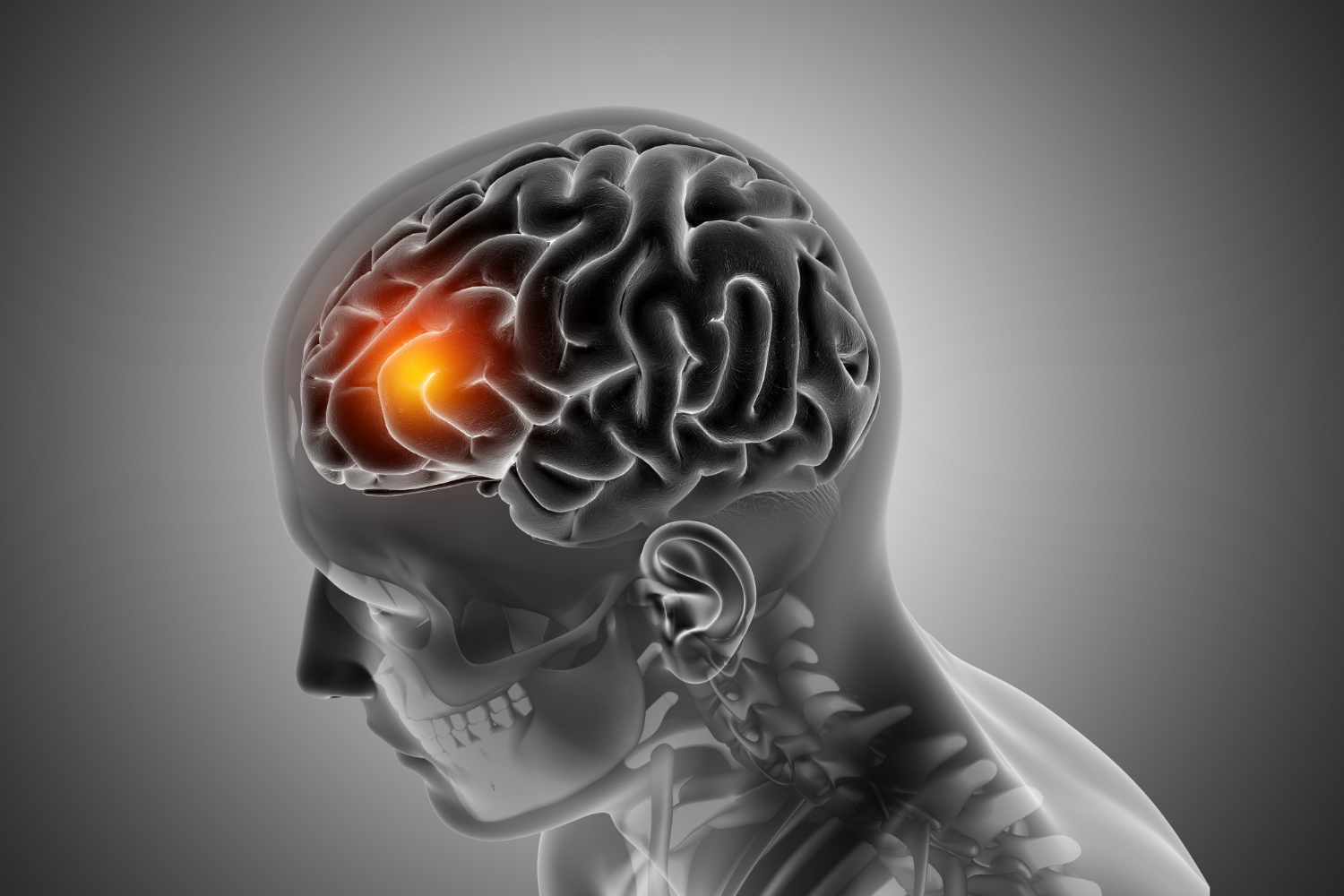
What Causes Neurological Pain?
Neurological pain develops when nerves are structurally damaged or functionally disrupted.
One of the most common causes is diabetes. Elevated blood glucose levels over time damage small blood vessels that supply nerves, leading to diabetic peripheral neuropathy. This condition affects nearly half of individuals with long-standing diabetes.
Viral infections, particularly shingles, may inflame sensory nerves and lead to persistent pain known as post-herpetic neuralgia. Spinal conditions such as herniated discs or spinal stenosis can compress nerve roots, resulting in radiating pain along the arms or legs.
Autoimmune conditions, traumatic injuries, chemotherapy exposure, stroke, and central nervous system disorders may also impair nerve signaling. In some cases, central sensitization occurs, where the spinal cord and brain become hypersensitive to stimuli, amplifying pain perception.
Often, neurological pain is multifactorial, involving both peripheral nerve injury and central nervous system changes.
Symptoms
Neuropathic pain is typically described differently from inflammatory or structural pain. Individuals may experience burning, tingling, electric-like shocks, stabbing sensations, or shooting pain along a nerve distribution.
Some patients report numbness combined with pain, while others experience heightened sensitivity to touch or temperature. Even light contact, such as clothing brushing against the skin, may trigger discomfort — a condition known as allodynia.
Symptoms may be constant or intermittent and often worsen at night. Because visible injury is frequently absent, neuropathic pain can go unrecognized without neurological assessment.
How Many People Are Affected?
Neuropathic pain affects an estimated 7–10% of the general population worldwide.
Diabetic peripheral neuropathy develops in approximately 50% of individuals with long-standing diabetes. Post-herpetic neuralgia occurs in roughly 10–20% of patients after shingles, with higher rates in older adults.
Chronic neuropathic pain significantly contributes to disability and reduced quality of life. According to global burden data, neuropathic conditions represent a substantial proportion of long-term chronic pain disorders worldwide.
As diabetes rates increase and populations age, the prevalence of neurological pain continues to rise.
Complications
When neurological pain persists, it may lead to functional decline and secondary complications. Chronic nerve dysfunction can cause muscle weakness, impaired coordination, and balance instability.
Sleep disturbance, anxiety, and depressive symptoms are common in individuals with persistent neuropathic pain. Reduced mobility may further contribute to deconditioning and decreased independence.
Early diagnosis and comprehensive management are important to prevent long-term disability and preserve quality of life.
Diagnosis
Diagnosis begins with a detailed medical history and neurological examination. Providers assess sensory changes, reflexes, strength, and pain distribution patterns.
Nerve conduction studies and electromyography are frequently used to evaluate peripheral nerve function. Imaging such as MRI may be recommended if spinal or central nervous system involvement is suspected.
Laboratory testing may help identify metabolic or autoimmune causes, including diabetes, vitamin deficiencies, or inflammatory disorders.
Accurate differentiation between neuropathic and musculoskeletal pain is critical, as treatment approaches differ significantly.
Treatment Options
Management of neurological pain focuses on stabilizing nerve function, reducing abnormal pain signaling, and addressing the underlying cause.
Conventional treatment may include medications that modulate nerve transmission, physical therapy to improve strength and coordination, and targeted interventions when nerve compression is present.
Metabolic optimization is essential in conditions such as diabetic neuropathy. Blood sugar control, improved circulation, nutritional support, and lifestyle modification contribute to improved neurological stability.
In advanced care settings, regenerative therapies such as Stem Cells and Exosomes are being utilized to support nerve repair at a cellular level. These approaches aim to reduce neuroinflammation, enhance microvascular circulation, and promote the release of growth factors that assist in nerve regeneration. By influencing the biological environment surrounding injured nerves, these therapies may support structural recovery and functional improvement, particularly in cases where symptoms have persisted despite conventional management.
Comprehensive care also includes weight management, smoking cessation, structured follow-up, and ongoing neurological monitoring.
Trusted Resources
For additional information regarding neurological pain and neuropathic conditions, refer to:
- International Association for the Study of Pain (IASP) – Neuropathic Pain Overview
- National Institute of Neurological Disorders and Stroke (NINDS) – Peripheral Neuropathy Fact Sheet
- National Institute of Diabetes and Digestive and Kidney Diseases (NIDDK) – Diabetic Neuropathy
- Centers for Disease Control and Prevention (CDC) – Diabetes and Neuropathy
- ClinicalTrials.gov – Neuropathic Pain Research
SCHEDULE A CONSULTATION
Request a Physician Evaluation
Submit your information to connect with a participating physician in your region to determine whether regenerative therapy may be appropriate for your condition.