

Hip Osteoarthritis
What Is Hip Osteoarthritis?
Hip osteoarthritis is a degenerative joint condition involving progressive breakdown of the cartilage lining the hip joint. The hip is a ball-and-socket joint formed by the femoral head and the acetabulum of the pelvis. Healthy cartilage allows these surfaces to glide smoothly during walking, bending, and rotational movement.
In osteoarthritis, cartilage gradually thins and loses its shock-absorbing capacity. As joint surfaces become irregular, friction increases and inflammation develops. Over time, structural changes may include joint space narrowing, bone spur formation, and thickening of surrounding tissues.
Because the hip bears body weight and absorbs repetitive mechanical stress, degeneration can significantly affect mobility and quality of life. Hip osteoarthritis typically progresses gradually but may accelerate following prior injury or chronic biomechanical imbalance.
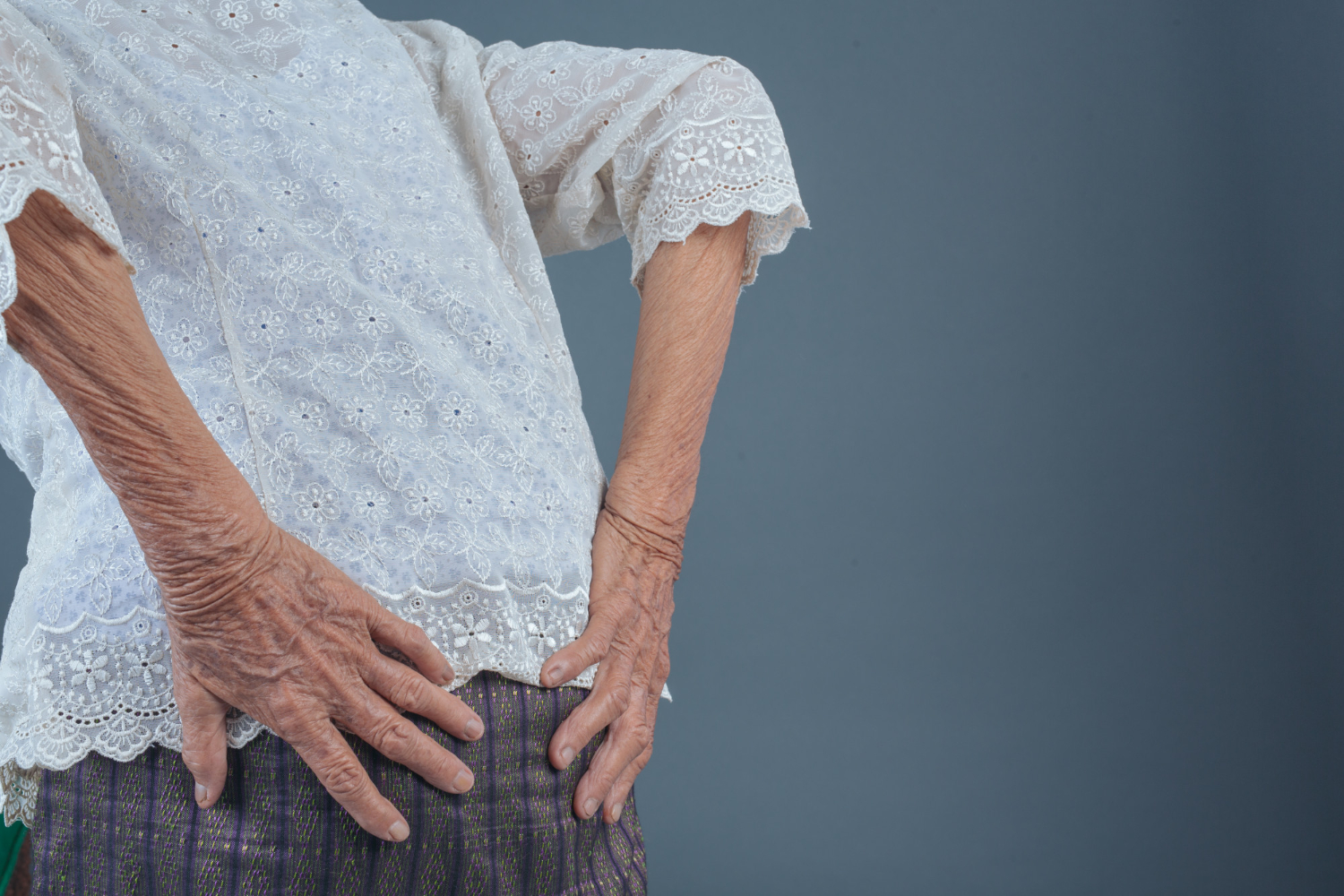
What Are the Causes
Hip osteoarthritis develops due to a combination of mechanical stress, biological changes, and genetic predisposition.
Age is one of the strongest risk factors. As cartilage ages, its ability to withstand compressive forces declines. Repetitive weight-bearing activity over many years contributes to gradual wear.
Prior hip injuries, including labral tears, fractures, or femoroacetabular impingement (FAI), can alter joint mechanics and accelerate cartilage breakdown. Structural abnormalities such as hip dysplasia may increase uneven load distribution across the joint.
Excess body weight increases compressive stress on the hip with every step. Muscle weakness, poor biomechanics, chronic inflammation, and metabolic conditions may also influence disease progression.
In most individuals, hip osteoarthritis results from overlapping mechanical and biological factors rather than a single isolated cause.
Symptoms
Symptoms typically develop gradually and worsen over time.
The most common symptom is deep groin pain that may radiate to the thigh or buttock. Discomfort often worsens with walking, standing for prolonged periods, climbing stairs, or rising from a seated position.
Stiffness is common, particularly in the morning or after inactivity. Range of motion becomes progressively limited, making activities such as tying shoes or crossing legs difficult.
Some individuals experience grinding or clicking sensations due to irregular joint surfaces. In more advanced stages, pain may occur even at rest and may interfere with sleep.
As mobility decreases, muscle weakness and altered gait patterns may develop.
How Many People Are Affected?
Hip osteoarthritis is one of the leading causes of chronic joint pain worldwide.
It becomes increasingly common after age 50 and affects millions of adults globally. Women are slightly more likely to develop symptomatic hip osteoarthritis, particularly after menopause.
With aging populations and increasing rates of obesity, the prevalence of hip osteoarthritis continues to rise. It remains a major contributor to mobility limitations and orthopedic consultations.
Complications
Without appropriate management, hip osteoarthritis may progress to advanced joint degeneration.
Persistent inflammation and cartilage loss can lead to joint deformity, reduced stability, and progressive stiffness. Decreased mobility may contribute to muscle atrophy, balance impairment, and increased fall risk.
Chronic pain can interfere with sleep, reduce physical activity, and negatively impact cardiovascular health. Over time, compensatory movement patterns may strain the lower back or opposite hip.
In advanced cases, structural deterioration may ultimately require joint replacement surgery.
Early evaluation and joint-preserving strategies can help slow progression and maintain function.
Diagnosis
Diagnosis begins with a comprehensive clinical assessment. A healthcare provider evaluates pain location, range of motion, gait mechanics, and joint stability.
X-rays are typically used to confirm hip osteoarthritis and may reveal joint space narrowing, bone spurs, and structural changes. MRI may be considered in earlier stages to evaluate cartilage integrity and associated labral pathology.
At Victory Over Pain, Diagnostic Ultrasound may assist in evaluating surrounding soft tissue inflammation and guiding regenerative procedures when indicated.
Accurate diagnosis combines clinical findings with imaging to determine disease severity and guide treatment planning.
Treatment Options
Treatment focuses on reducing pain, improving mobility, and preserving long-term joint health.
Initial management includes activity modification and structured physical therapy to strengthen supporting musculature and improve hip biomechanics. Weight optimization and low-impact exercise help reduce joint stress.
Low-Level Light Therapy (LLLT) may be incorporated to support cellular energy production and modulate inflammatory signaling in early-stage degenerative conditions.
Extracorporeal Shockwave Therapy (ESWT) may be considered in select cases involving associated soft tissue dysfunction.
Platelet-Rich Plasma (PRP) therapy may be evaluated in early to moderate hip osteoarthritis. PRP is delivered under imaging guidance to support biologic signaling, modulate inflammation, and promote tissue environment optimization.
In selected candidates with more advanced degeneration, MSC-derived exosome therapy or stem cell therapy may be evaluated as part of a regenerative strategy aimed at supporting cartilage health and modulating joint inflammation.
When conservative and regenerative approaches no longer provide adequate relief, surgical options such as hip arthroscopy or total hip replacement may be considered.
Modern hip osteoarthritis management emphasizes early intervention, structural preservation, and individualized care planning.
Trusted Resources
SCHEDULE A CONSULTATION
Request a Physician Evaluation
Submit your information to connect with a participating physician in your region to determine whether regenerative therapy may be appropriate for your condition.