

ACL or MCL Ligament Injury
What Is an ACL or MCL Ligament Injury?
An ACL or MCL ligament injury is a structural disruption involving one of the primary stabilizing ligaments of the knee joint. The Anterior Cruciate Ligament (ACL) is located deep within the center of the knee and controls forward movement and rotational stability of the tibia relative to the femur. The Medial Collateral Ligament (MCL) is positioned along the inner portion of the knee and resists inward stress while supporting overall joint alignment.
When either ligament becomes stretched, partially torn, or completely ruptured, knee stability is compromised. The joint may lose its ability to properly control motion during walking, pivoting, or sudden directional changes. In more severe cases, ligament failure can alter joint mechanics and increase strain on cartilage, menisci, and surrounding structures.
ACL injuries are often associated with athletic activity and rapid deceleration movements, while MCL injuries frequently occur due to direct impact or excessive inward bending of the knee. Because these ligaments are essential for coordinated knee function, injury can significantly affect mobility and overall physical performance.
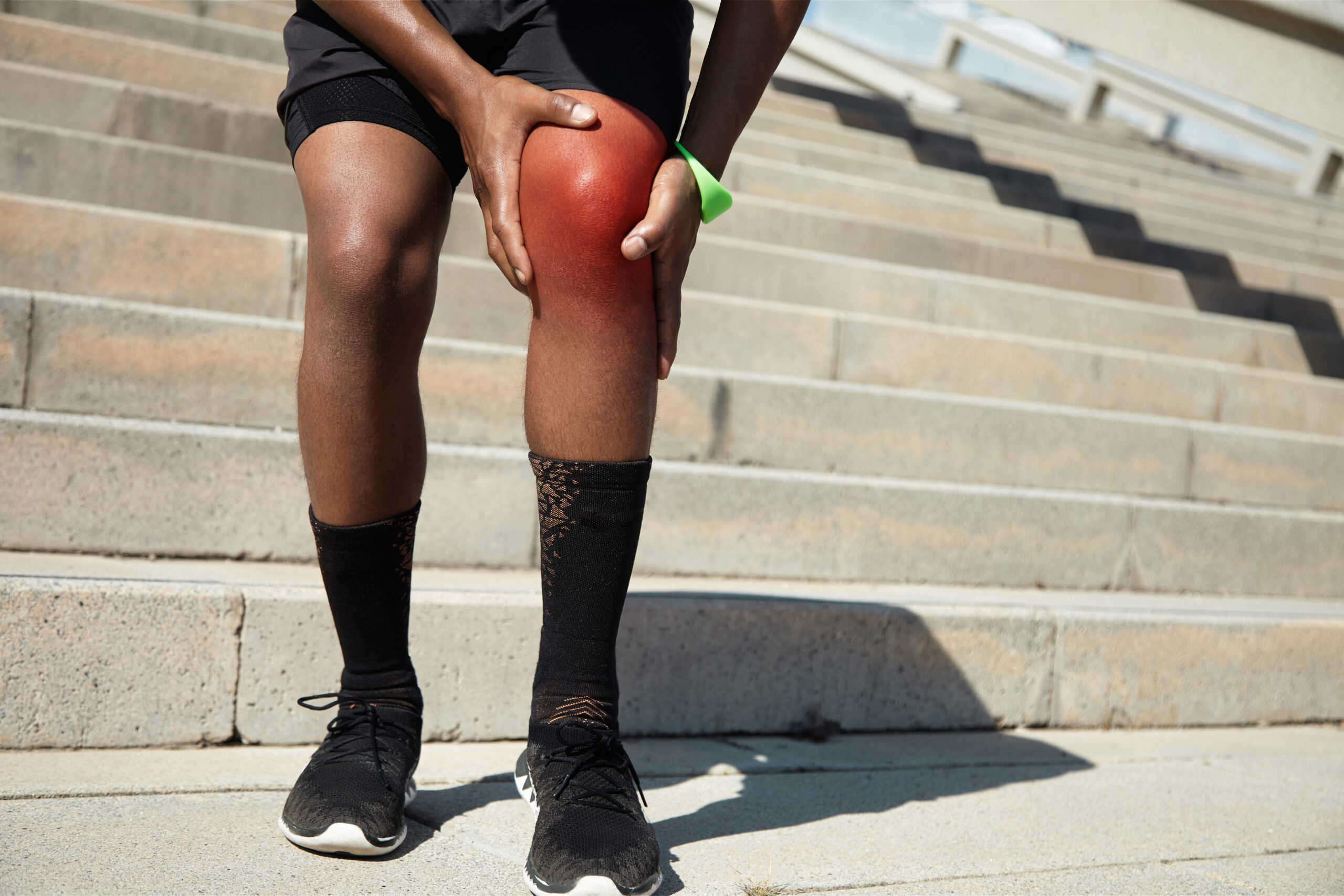
What Are the Causes
ACL and MCL injuries develop due to a combination of mechanical forces and biomechanical vulnerabilities.
ACL tears commonly occur during sudden stops, pivoting movements, awkward landings, or rapid changes in direction. These non-contact injuries frequently affect athletes participating in sports such as soccer, basketball, football, and skiing. A sudden twisting motion while the foot remains planted can generate forces that exceed ligament tolerance.
MCL injuries often result from a direct blow to the outer side of the knee, forcing the joint inward. They may also occur during twisting motions or high-impact collisions.
Contributing risk factors include poor neuromuscular control, muscle imbalance, joint instability, inadequate conditioning, and previous knee injury. Anatomical alignment differences and participation in high-intensity sports further increase susceptibility.
In most individuals, ligament injuries result from a combination of movement patterns, mechanical stress, and structural vulnerability rather than a single isolated factor.
Symptoms
Symptoms typically develop immediately following injury.
Individuals with an ACL tear often report hearing or feeling a sudden “pop,” followed by rapid swelling within the joint due to internal bleeding. Instability is a hallmark symptom, particularly during pivoting or weight-bearing activities. The knee may feel as though it may buckle or give way.
MCL injuries usually produce pain along the inner aspect of the knee. Swelling and localized tenderness are common. Range of motion may become limited, and weight-bearing may be uncomfortable.
In moderate to severe cases, both injuries may significantly restrict movement and interfere with daily activity. Athletic participation often becomes difficult or impossible without appropriate treatment.
How Many People Are Affected?
ACL injuries are among the most common serious knee injuries worldwide.
In the United States alone, hundreds of thousands of ACL injuries occur each year, with a significant number requiring surgical reconstruction. Young athletes, particularly those involved in pivoting sports, are at elevated risk. Female athletes demonstrate higher ACL injury rates due to biomechanical and hormonal factors.
MCL injuries are also common and frequently occur in combination with ACL or meniscal damage. As sports participation remains widespread across age groups, ligament injuries continue to represent a substantial portion of orthopedic consultations.
The increasing emphasis on athletic activity and high-intensity training has contributed to the continued prevalence of these injuries.
Complications
Without appropriate management, ACL and MCL injuries may lead to long-term instability and progressive joint damage.
Persistent instability increases mechanical stress on cartilage and meniscal structures, raising the likelihood of developing early osteoarthritis. Recurrent episodes of the knee giving way can further compromise joint integrity.
Chronic weakness and altered gait patterns may develop if rehabilitation is incomplete. Over time, compensatory movement patterns can increase strain on other joints and soft tissues.
In severe cases, structural deterioration may limit athletic performance, reduce mobility, and negatively impact overall quality of life.
Early evaluation and comprehensive treatment are essential to restore joint stability and protect long-term knee function.
Diagnosis
Diagnosis begins with a comprehensive clinical evaluation, including detailed history and physical examination.
A healthcare provider assesses joint swelling, range of motion, stability, and pain patterns. Specific orthopedic maneuvers help identify ACL or MCL involvement and evaluate ligament integrity.
Imaging studies are typically required to confirm the diagnosis. MRI provides detailed visualization of ligament tears, associated meniscal injury, and cartilage damage. X-rays may be obtained to evaluate bone alignment and rule out fractures.
Accurate diagnosis combines physical examination findings with advanced imaging to determine injury severity and guide treatment planning.
Treatment Options
Treatment focuses on restoring knee stability, reducing inflammation, and preserving long-term joint integrity. Initial management may include bracing, activity modification, and structured physical therapy to strengthen the quadriceps, hamstrings, and stabilizing musculature while improving neuromuscular control. Rehabilitation is essential in both surgical and non-surgical recovery and plays a central role in protecting the ligament during healing.
Complete ACL ruptures in active individuals frequently require surgical reconstruction to restore mechanical stability. Many MCL injuries, particularly partial tears, respond well to conservative management with bracing and progressive rehabilitation, although higher-grade injuries may require surgical intervention.
In selected cases—particularly partial ligament injuries or chronic instability—regenerative orthopedic options may be considered. Platelet-Rich Plasma (PRP) therapy may support ligament healing by delivering concentrated growth factors that assist collagen repair and tissue remodeling. Stem cell therapy and exosome therapy may be evaluated in certain cases to help modulate inflammation and support the biological healing environment within the joint. Diagnostic ultrasound may assist in evaluating ligament integrity and guiding precise biologic injection placement when indicated.
Treatment planning is individualized based on injury severity, activity level, structural stability, and long-term joint preservation goals.
Trusted Resources
SCHEDULE A CONSULTATION
Request a Physician Evaluation
Submit your information to connect with a participating physician in your region to determine whether regenerative therapy may be appropriate for your condition.