

Osteoarthritis
What Is Osteoarthritis?
Osteoarthritis is a chronic, degenerative joint condition in which the protective cartilage cushioning the ends of bones gradually breaks down. As cartilage thins and deteriorates, the joint loses its smooth, gliding surface. Increased friction develops between bones, leading to stiffness, swelling, discomfort, and reduced mobility.
Although commonly referred to as “wear-and-tear arthritis,” osteoarthritis is more complex than simple aging. It involves biomechanical stress, low-grade inflammation, cellular changes within cartilage, and progressive deterioration of surrounding tissues including bone, ligaments, and the joint lining.
Osteoarthritis most frequently affects weight-bearing joints such as the knees, hips, and spine, but it can also impact the hands, shoulders, and feet. Because cartilage has limited regenerative capacity, the condition typically progresses gradually over time, affecting movement and overall quality of life.
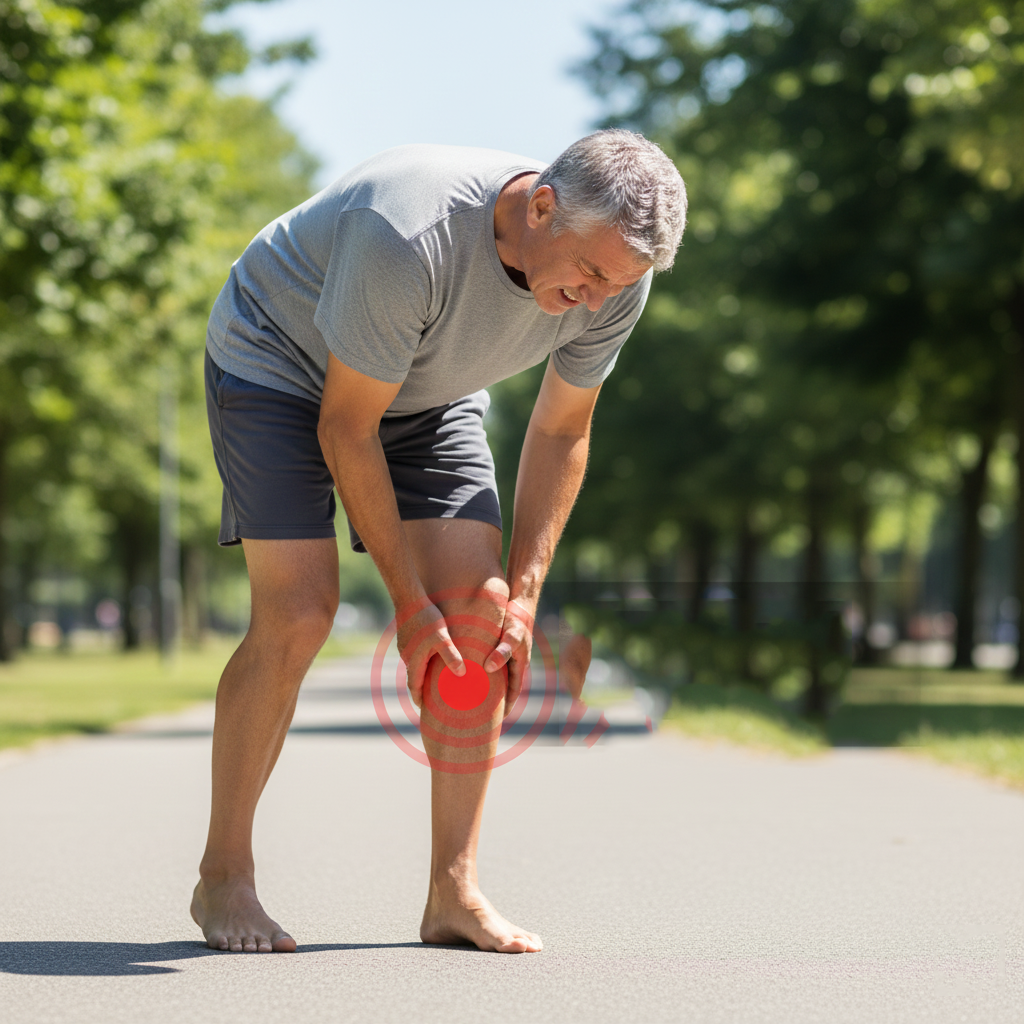
What Are the Causes
Osteoarthritis develops due to a combination of mechanical, biological, and genetic factors.
Repeated joint stress over many years contributes to gradual cartilage breakdown. Prior injuries — including ligament tears, fractures, or meniscal damage — significantly increase risk by altering joint mechanics and load distribution.
Excess body weight places additional pressure on joints, particularly the knees and hips, accelerating degeneration. Genetics also plays a role; individuals with a family history of osteoarthritis may develop symptoms earlier or experience faster progression.
Hormonal changes, especially after menopause, can influence cartilage metabolism. Additional contributing factors include chronic low-grade inflammation, metabolic disorders, joint misalignment, muscle weakness, and occupations involving repetitive motion or prolonged standing.
In most individuals, osteoarthritis results from multiple overlapping factors rather than a single cause.
Symptoms
Symptoms usually develop gradually and worsen over time.
Early signs often include joint stiffness, particularly in the morning or after periods of inactivity. This stiffness typically improves with gentle movement. Activity-related pain is common, and as the condition progresses, discomfort may occur even at rest.
Swelling and tenderness may develop due to inflammation within the joint. Some individuals notice clicking, grinding, or popping sounds during movement as cartilage erodes and joint surfaces become irregular.
Range of motion becomes increasingly limited. Daily activities such as climbing stairs, rising from a seated position, kneeling, or lifting objects may become difficult. In advanced stages, visible joint enlargement, deformity, or instability may occur.
How Many People Are Affected?
Osteoarthritis is one of the most common musculoskeletal disorders worldwide.
According to the World Health Organization, hundreds of millions of people globally are affected by osteoarthritis, and prevalence continues to rise due to aging populations and increasing obesity rates.
In the United States, more than 32 million adults are diagnosed with osteoarthritis, with many additional individuals managing symptoms without formal medical evaluation.
The condition becomes increasingly common after age 50 and affects women more frequently than men, particularly following menopause. Osteoarthritis remains a leading cause of disability and reduced mobility worldwide.
Complications
Without appropriate management, osteoarthritis can lead to progressive joint damage and functional decline.
Chronic pain and stiffness may significantly limit walking, standing, bending, and other routine movements. Reduced mobility often leads to muscle weakness, balance problems, and increased fall risk.
Structural changes such as bone spur formation, joint instability, and deformity may develop in advanced stages. As activity levels decline, individuals may experience weight gain, reduced cardiovascular fitness, and decreased overall health.
Emotional effects are also common. Persistent pain can contribute to sleep disturbances, anxiety, frustration, and reduced quality of life.
Early recognition and proactive management are essential to slow progression and preserve joint function.
Diagnosis
Diagnosis begins with a comprehensive evaluation of symptoms, medical history, and physical examination.
A healthcare provider assesses joint tenderness, swelling, range of motion, alignment, and stability. Functional limitations and activity patterns are carefully reviewed.
Imaging studies help confirm the diagnosis. X-rays may show joint space narrowing, bone spurs, and structural changes characteristic of osteoarthritis. MRI can provide detailed evaluation of cartilage integrity, ligament involvement, and inflammation.
Blood tests are typically normal in osteoarthritis but may be performed to exclude autoimmune conditions such as Rheumatoid Arthritis. In select cases, joint fluid analysis helps differentiate osteoarthritis from infection or gout.
A combination of clinical assessment and imaging provides the most accurate diagnosis.
Treatment Options
Treatment focuses on relieving symptoms, improving function, and slowing disease progression.
Lifestyle modifications are foundational. Weight management reduces mechanical stress on joints, while regular low-impact exercise helps maintain flexibility and strengthen surrounding muscles. Physical therapy improves biomechanics, posture, and joint stability.
Supportive measures such as braces, orthotics, and proper footwear reduce strain. Heat and cold therapies may help manage stiffness and inflammation. Over-the-counter medications such as acetaminophen or non-steroidal anti-inflammatory drugs can provide symptom relief when appropriate.
Advanced orthopedic and regenerative options may include:
In more advanced cases, corticosteroid or hyaluronic acid injections may help reduce inflammation and improve joint lubrication. When conservative measures no longer provide adequate relief, joint-preserving procedures or joint replacement surgery may be considered.
Modern orthopedic care emphasizes early intervention, personalized treatment planning, and strategies aimed at preserving joint integrity while improving quality of life.
Trusted Resources
SCHEDULE A CONSULTATION
Request a Physician Evaluation
Submit your information to connect with a participating physician in your region to determine whether regenerative therapy may be appropriate for your condition.