

Stem Cells
Disclaimer: This page contains content specific to Florida Stem Cell Law, which allows specific licensed physicians to administer stem cell therapies that the U.S. Food and Drug Administration has not approved. The law and the content apply to providers licensed in Florida under Chapter 458 (Medical Doctors) and Chapter 459 (Osteopathic Physicians) acting in the course and scope of their employment.
Stem Cell Therapy
What Are Stem Cells?
Stem cells are unique biological cells that can both replicate and transform into specialized tissue cells when needed. Unlike most cells in the body, which have a fixed function, stem cells retain flexibility. Depending on the environment they enter, they may develop into cartilage, muscle, nerve, or other tissue-specific cells.
This adaptability makes stem cells central to regenerative medicine. Their role is not simply to exist within tissue, but to participate in repair processes by supporting regeneration, influencing inflammation, and helping maintain structural integrity.
There are several classifications of stem cells based on their biological potential:
- Totipotent cells – capable of forming all cell types, including embryonic and placental tissues.
- Pluripotent cells – capable of forming nearly all body tissues but not placental tissue.
- Multipotent and unipotent cells – more specialized stem cells found within specific tissues that help maintain and repair those areas over time.
In clinical regenerative applications, mesenchymal stem cells (MSCs) are commonly used. These may be derived from bone marrow, adipose tissue, or umbilical cord sources. Umbilical cord–derived MSCs, including Wharton’s Jelly cells, are frequently selected due to their biologic youthfulness, strong regenerative profile, and reduced immune reactivity.
For additional scientific background: PubMed – Stem Cell Research link from RegenOMedix
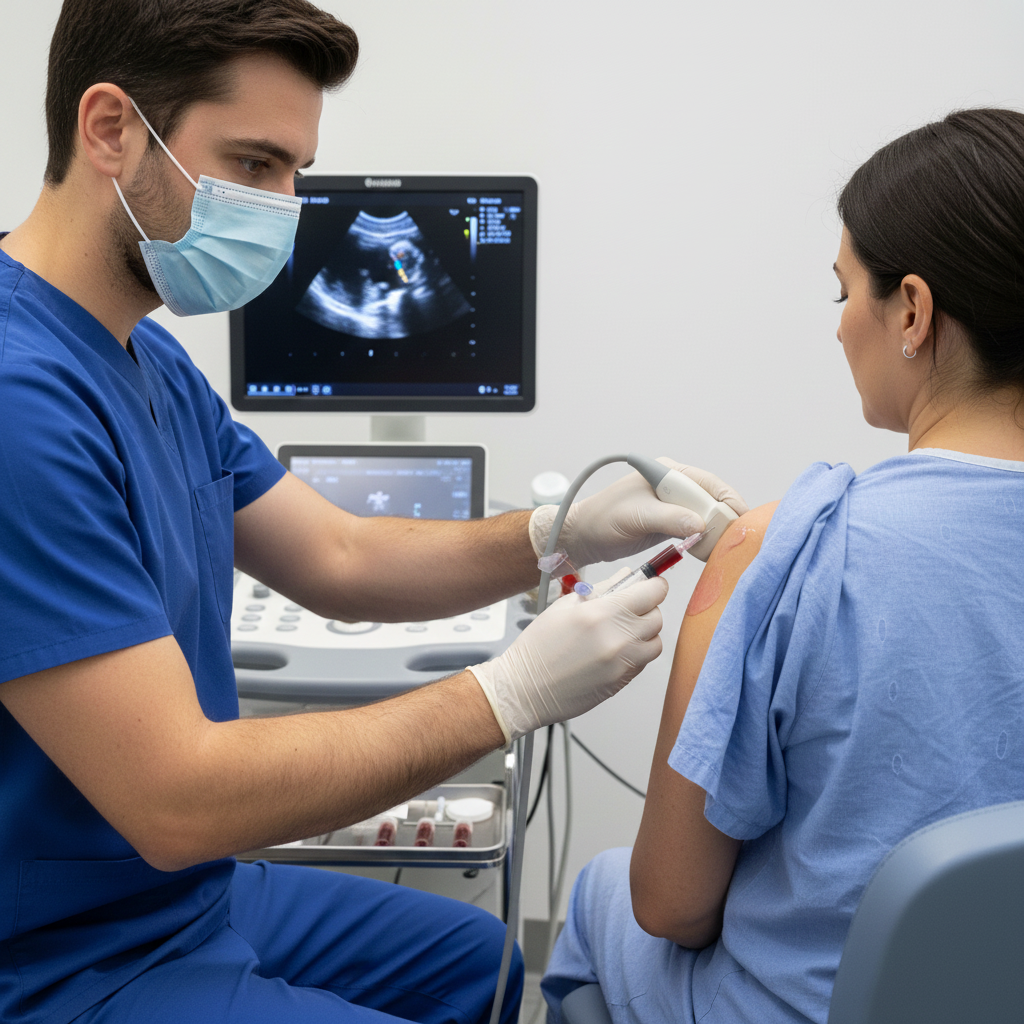
How Stem Cells Support Healing
Stem cells contribute to tissue repair through two primary biological pathways.
Cellular Differentiation
Stem cells may differentiate into specialized cells to meet the needs of the damaged tissue. In degenerative joint conditions, they may assist cartilage-supporting cells. In nerve-related injuries, they may support neural tissue. This adaptive capability allows them to respond to specific structural deficiencies.
Paracrine Signaling
A significant portion of stem cell activity occurs through signaling rather than permanent cell replacement. Stem cells release biologically active molecules—including growth factors, cytokines, and regulatory proteins—that influence nearby cells.
These signals may:
- Reduce inflammatory activity
- Support cellular survival
- Encourage tissue regeneration
- Stimulate collagen production
- Promote angiogenesis (new blood vessel formation)
Emerging research suggests that stem cell–derived exosomes carry many of these regenerative signaling factors, which explains why some therapeutic effects occur even without long-term cell engraftment.
For deeper research references: PubMed – Stem Cell Differentiation and Mechanisms link from RegenOMedix
Why Umbilical Cord–Derived MSCs Are Frequently Used
Stem cells sourced from umbilical cord tissue and cord blood have several biological advantages.
Because these cells are collected immediately after birth, they are biologically younger and have not been exposed to environmental stressors or age-related cellular decline. This often results in:
- Higher proliferative capacity
- Stronger regenerative signaling
- Reduced immune rejection risk
- Lower contamination exposure
Umbilical cord–derived MSCs are collected safely and non-invasively following childbirth. The tissue would otherwise be discarded, making the sourcing ethically straightforward.
For further reading on cord-derived stem cells: PubMed – Cord Blood Stem Cells link from RegenOMedix
Conditions Commonly Evaluated for Stem Cell Therapy
Stem cell therapy is applied and studied across multiple clinical disciplines.
Orthopedic & Musculoskeletal Conditions
- Osteoarthritis
- Cartilage degeneration
- Tendon and ligament injuries
- Chronic joint instability
- Sports-related injuries
These applications focus on supporting cartilage integrity, improving joint mechanics, and reducing inflammation that contributes to long-term degeneration.
Neurological & Pain-Related Conditions
- Peripheral neuropathy
- Nerve irritation or injury
- Chronic inflammatory pain
Stem cell signaling may help regulate immune responses and support nerve tissue environments.
Wound Healing & Tissue Repair
- Chronic non-healing wounds
- Delayed surgical recovery
- Scar remodeling
By promoting angiogenesis and modulating inflammatory pathways, stem cells may help create an environment more conducive to tissue recovery.
Stem Cell Collection & Laboratory Processing
When derived from umbilical cord blood or Wharton’s Jelly, stem cells are collected safely following childbirth without risk to mother or child.
After collection, the cells undergo sterile laboratory processing. Isolation and preparation occur under controlled conditions that emphasize:
- Sterility and pathogen screening
- Cell viability
- Controlled expansion
- Quality assurance standards
Processing methods significantly influence safety and therapeutic consistency. Reputable laboratories follow strict protocols designed to preserve cell integrity and biological activity.
For more technical reference:
For deeper reading on harvesting techniques and safety standards, see: PubMed – Cord Blood MSC Processing Techniques.
Common Safety Questions
Can Donor DNA Transfer to the Recipient?
Research to date has not shown that properly sourced mesenchymal stem cells independently initiate cancer formation. However, because stem cells can influence immune responses, patients with a history of malignancy should undergo careful physician evaluation before treatment.
Ongoing research continues to assess long-term safety across patient populations.
For additional review:
Stem Cells and Donor DNA Safety link from RegenOMedix
Vaccine Components and Stem Cells link from RegenOMedix
Do Stem Cells Increase Cancer Risk?
Research to date has not shown that properly sourced mesenchymal stem cells independently initiate cancer formation. However, because stem cells can influence immune responses, patients with a history of malignancy should undergo careful physician evaluation before treatment.
Ongoing research continues to assess long-term safety across patient populations.
For additional review:
Stem Cells Compared to Conventional Treatment
Traditional treatments often focus on symptom management through medication, physical therapy, or surgery.
Stem cell therapy aims to influence underlying biological processes by:
- Supporting tissue regeneration
- Modulating inflammatory pathways
- Enhancing structural stability
- Promoting longer-term functional improvement
Rather than masking discomfort, regenerative approaches seek to create a more favorable tissue environment for healing.
Important Considerations Before Treatment
If you are considering stem cell therapy, discuss the following with your physician:
- Your diagnosis and imaging findings
- Prior treatment history
- Expected recovery timeline
- Number of recommended sessions
- Potential risks and benefits
- Realistic outcome expectations
Stem cell therapy is not appropriate for every condition or every patient. A comprehensive evaluation is required to determine candidacy.
SCHEDULE A CONSULTATION
Request a Physician Evaluation
Submit your information to connect with a participating physician in your region to determine whether regenerative therapy may be appropriate for your condition.